Static Dread: The Lighthouse, a Lighthouse-Keeping Horror Simulation
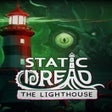
Static Dread: The Lighthouse, by Solarsuit, casts you as a solitary lighthouse keeper responsible for keeping a beacon operational amid mounting supernatural interference. The game combines manual maintenance tasks, resource management, and first-person exploration to create pressure while environmental anomalies escalate and disrupt routine. It features manual fueling, lens cleaning, machine repairs, a lo-fi "static" aesthetic, and branching outcomes that reward attention. Suited to indie horror fans and simulation players who prefer slow-burn tension and focused short sessions.
Static Dread is a simulation-driven horror experience
As a first-person simulation, Static Dread centers on a narrow, repeatable loop: inspect equipment, perform upkeep, and keep the beacon lit while exploring a claustrophobic outpost. The core activities are explicit, including fueling the light, cleaning lenses, and repairing machinery. Those systems act as concrete goals that fill playtime and structure the night, so the player's attention is constantly split between routine work and growing unease.
Maintenance tasks form the game's tension engine
Task-based mechanics create pressure rather than combat. Resource management forces trade-offs between survival and duty, and psychological elements intensify with prolonged isolation. The game emphasizes environmental storytelling and branching outcomes tied to performance and discovery. Key recurring tasks include:
Fueling and monitoring the beacon
Cleaning optical assemblies
Repairing mechanical faults
These chores generate a steady, procedural stress that shapes every decision.
The lo-fi sound and visuals intensify isolation
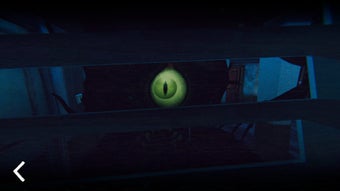
The retro-inspired lo-fi visual filters and layered audio create a persistent static atmosphere that critics and players have praised for thickening dread. First-person exploration inside confined rooms and narrow walkways amplifies the sense of being alone on-site. Interface elements remain minimal so the focus stays on environment and sound cues, which frequently deliver narrative fragments and unsettling anomalies rather than explicit explanation.
Replayable outcomes and platform accessibility influence play choices
Playthroughs are compact, typically lasting a few hours depending on pace, and the presence of different endings encourages repeat runs for discovery-driven players. The experience is single-player and noncombat, so replay value comes from exploration and choice. Note that the official store listing is stated as primarily Windows via Steam and currently does not show native Mac support, which affects how Mac users access the title.
Best for patient players who enjoy focused, atmospheric simulations
Static Dread rewards concentrated attention and curiosity, offering a compact narrative that favors careful observation over reflex action. It performs well as a single-session, contemplative experience that returns value through multiple outcomes driven by player decisions. Players seeking fast-paced action or social play should consider the game's steady pacing and solitary structure before deciding it matches their preferred session style.
Laws concerning the use of this software vary from country to country. We do not encourage or condone the use of this program if it is in violation of these laws. Softonic may receive a referral fee if you click or buy any of the products featured here.